What Your Visible Veins Could Be Telling You About Your Health
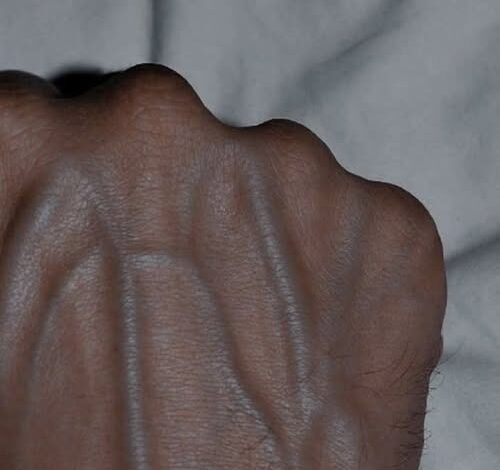
While visible veins on your arms or legs are often harmless and linked to natural factors like age or fitness, sudden changes in their size or color might mean something more serious. Understanding these signs can help spot health issues early.
Chronic venous insufficiency (CVI) is one common cause. When vein valves weaken, blood pools and veins enlarge, especially in the legs. Symptoms include swelling, aching, heaviness, and sometimes skin discoloration or ulcers near the ankles. Prolonged sitting or standing and age increase this risk, and treatment is important to avoid further problems.
Varicose veins are swollen, twisting veins often found in the legs. They cause discomfort such as throbbing, itching, and cramps. Family history, obesity, and pregnancy contribute to their development, and treatments improve comfort and appearance.
Deep vein thrombosis (DVT), a dangerous blood clot in deep leg veins, can indirectly make surface veins more visible. Warning signs include sudden swelling, pain, redness, and warmth in one leg. Immediate medical care is vital to prevent life-threatening complications like pulmonary embolism.
Congestive heart failure (CHF) can also make veins stand out due to fluid buildup from heart weakness. Along with visible veins, symptoms include breathlessness and swelling in the lower body.
Peripheral vascular disease (PVD) narrows arteries, reducing circulation and causing veins to become more prominent as blood reroutes. It causes cold, numb limbs, wounds that heal poorly, and skin changes. Untreated PVD heightens the risk of heart attack and stroke.
Noticing unusual or painful vein changes, especially if one limb is affected more than the other, should prompt a doctor’s visit. Early treatment can protect your health. Veins can be a window into your body’s well-being, so paying attention helps keep you safe.