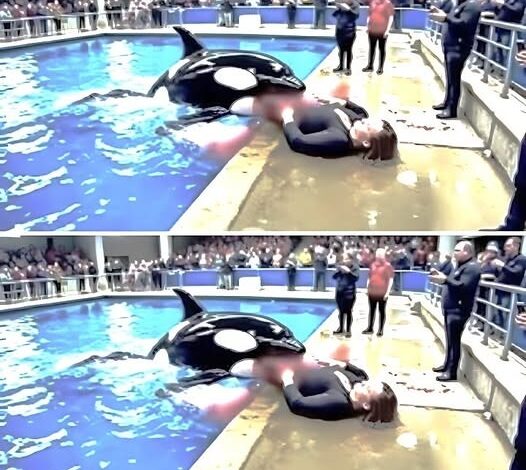
Orca Attack at Blue Horizon Sparks Debate Over Captivity
A calm day at Blue Horizon Marine Park turned terrifying when Neptune, the star orca, unexpectedly attacked a trainer during a live show. Families and visitors who came for fun were suddenly plunged into chaos as emergency crews rushed to help the injured person. The incident unfolded quickly and left many shaken as the routine became a dangerous crisis.
Neptune was well-known for intelligence and a close bond with trainers, so the attack seemed shocking and unexpected. The trainer involved had worked with Neptune for some time and had no warning. Once the attack started, safety protocols kicked in as staff tried to secure the trainer. The mood in the arena shifted instantly from joy to fear.
This kind of behavior from captive orcas is sadly not new. There have been numerous reports of orca attacks over recent years, sometimes causing serious injuries and even deaths. Animal welfare advocates argue that keeping such complex mammals in confined pools causes mental strain and abnormal behavior.
In their natural habitat, orcas live in large social groups and swim long distances daily. Confinement and performance demands disrupt these natural behaviors, leading to frustration and stress that can erupt in violence. Even orcas trained from youth like Neptune are not immune.
While marine parks claim they educate the public and fund conservation, critics say these benefits don’t outweigh the risks and ethical problems. They point to attacks and psychological harm as reasons to rethink the future of orca shows. Blue Horizon Marine Park has promised a full review and currently suspended Neptune’s shows.
This incident highlights the unpredictable nature of wild animals and stresses the need for more humane treatment and stricter safety measures. It’s a wake-up call urging society to reconsider how we interact with and display these magnificent creatures.