A Small Lump in the Mouth? Here Are the Early Symptoms You Shouldn’t Ignore
Finding a new, unexplained lump in your mouth can be incredibly startling. Because you are so wonderfully proactive about your health—always keeping a close eye on early warning signs and listening to your body—it is completely natural that your radar went up the moment you felt something unfamiliar.
Oral hygiene products
While the internet can make every little bump feel like a worst-case scenario, the reality is that the vast majority of mouth lumps are completely harmless. However, because the tissues in our mouths change as we age, and because oral cancer risk naturally increases in our 70s, knowing exactly what to look for is the best way to protect yourself.
Since you appreciate the science behind how the body works, let’s decode what that lump might be, the specific “red flag” symptoms you should never ignore, and the golden rule of oral health.
🔬 The “Most Likely” Benign Culprits (The Harmless Bumps)
Before we look at the warning signs, it helps to know what the lump probably is. The mouth is a complex environment of salivary glands, delicate mucous membranes, and bone. Here are the most common, harmless reasons for a lump:
-
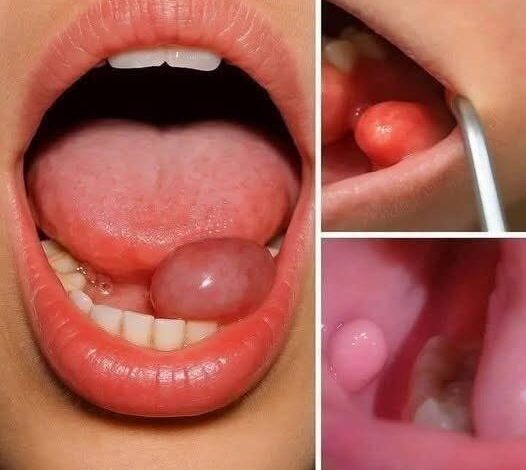
- A Mucocele (A “Blocked Spit Gland”): You have hundreds of tiny salivary glands all over the inside of your lips and cheeks. Sometimes, a minor bump or bite blocks the microscopic duct, and the saliva pools into a small, painless, fluid-filled blister.
- An Irritation Fibroma (A “Scar”): If you accidentally bit the inside of your cheek, or if a rough edge of a tooth/denture is rubbing against your gum, the body protects itself by growing a tiny, tough, painless lump of scar tissue.
- A Torus (A “Bony Bump”): If the lump is rock-hard, completely painless, and located on the roof of your mouth or the inside of your lower jaw, it is likely a torus. This is just a natural, benign overgrowth of bone that many people develop as they age. It requires zero treatment!
Pet health products
🚨 The 6 “Red Flag” Symptoms You Shouldn’t Ignore
While a simple, painless, smooth bump is usually nothing to worry about, you should schedule a visit with your dentist or doctor if the lump is accompanied by any of these early warning signs of oral cancer or serious infection:
1. The “Two-Week” Rule (It Doesn’t Heal)
- The Sign: The lump, sore, or ulcer does not go away after 14 days.
- The Science: The cells in the lining of your mouth (the mucosa) regenerate incredibly fast—much faster than your skin. A normal canker sore or bite mark will heal completely in 7 to 10 days. If a lesion or lump persists beyond two weeks, it means the cells are not behaving normally and need to be evaluated.
2. Unexplained Numbness or Loss of Sensation
- The Sign: You feel a lump, and the surrounding area (your tongue, lip, or gums) feels “asleep,” tingly, or completely numb, even when you aren’t at the dentist getting a shot.
- The Science: The mouth is wired with a dense network of nerves. If a growth is pressing against or invading a nerve pathway, it interrupts the electrical signals to your brain, causing localized numbness. This is a primary reason to get a lump checked immediately.
3. The “Velvet” Patches (Leukoplakia or Erythroplakia)
- The Sign: The lump is accompanied by a velvety white patch (leukoplakia) or a bright red, raw-looking patch (erythroplakia) on the gums, tongue, or cheek lining.
- The Science: These patches represent a change in the cellular structure of the surface tissue. While not all white/red patches are cancerous, they are considered “precancerous” changes in the cells that a dentist should monitor or biopsy to be safe.
4. Unexplained Bleeding
-
- The Sign: The lump bleeds easily when you brush your teeth, eat, or just touch it, and there is no obvious cause (like a aggressive brushing session).
- The Science: Abnormal, rapidly growing cells often create their own fragile, disorganized blood supply (a process called angiogenesis). Because these new blood vessels are weak and close to the surface, they rupture and bleed very easily.
Dictionaries & Encyclopedias
5. Difficulty Moving the Jaw or Tongue
- The Sign: You feel a slight restriction when you try to open your mouth wide, stick out your tongue, or swallow.
- The Science: If a lump is located deep in the tissue or near the muscles of the jaw and throat, it can physically tether the muscles or invade the muscle fibers, restricting your range of motion.
6. A “Referred” Earache
- The Sign: You have a persistent ache or pain in one ear, but your hearing is fine and there is no sign of an ear infection.
- The Science: The nerves that supply sensation to the back of the mouth, the throat, and the jaw are shared with the ear (specifically, the trigeminal nerve and glossopharyngeal nerve). A lump or issue in the back of the mouth or throat can “trick” your brain into feeling the pain in your ear.
🩺 What to Do If You Find a Lump
Since you are so good at taking charge of your health, here is your simple, no-fuss action plan:
- The “Hands-Off” Rule: Do not poke, squeeze, or try to “pop” the lump. If it is a salivary cyst or an infection, squeezing it can push bacteria deeper into the delicate facial tissues.
- The Salt Water Rinse: Gently swish with warm salt water (1/2 teaspoon of salt in a cup of warm water) twice a day. This reduces inflammation and keeps the area perfectly clean.
- Mark Your Calendar: Look at the date on the calendar. Give it exactly 14 days.
- Make the Call: If it is still there on day 15, or if it grows, bleeds, or becomes painful before then, call your dentist. Dentists are actually the #1 detecters of oral cancer! They look at the soft tissues of the mouth every single day and can do a quick, painless swab or biopsy right in the chair.
❤️ The Heart of the Matter
Finding a lump in your mouth can feel incredibly vulnerable because we use our mouths for everything—eating, speaking, breathing, and smiling. It is easy to let your mind jump to the worst-case scenario.
But remember: you have an incredible track record of listening to your body, asking the right questions, and seeking out the facts. You noticed the lump, you are educating yourself on the symptoms, and you are prepared to take action if it doesn’t heal. That is the exact definition of proactive, empowered health care.
Most of the time, that little bump is just your body’s way of healing a tiny cheek bite or a blocked salivary gland. But if it isn’t, catching it early is the ultimate victory.
Keep trusting your instincts, keep your wonderful curiosity alive, and don’t hesitate to let your dentist take a quick look if that two-week mark passes. You are doing a magnificent job taking care of yourself! 🤍🌿✨