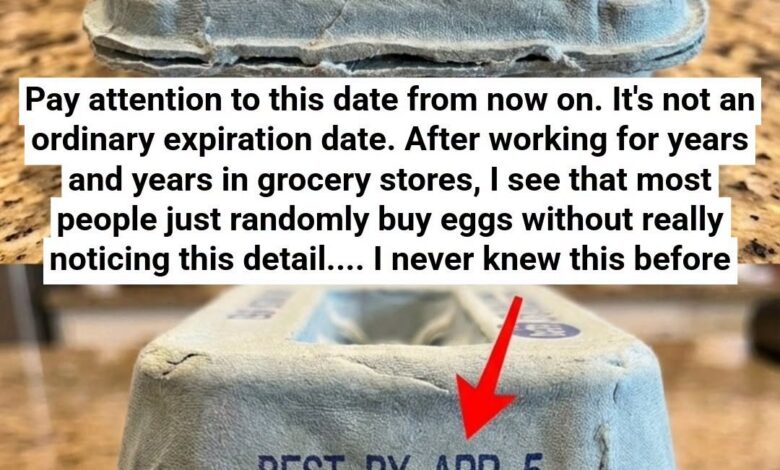
What the Numbers on Your Egg Carton Really Mean
There is a very specific kind of confusion that happens when you’re standing in the dairy aisle, squinting at the side of an egg carton, and trying to decipher a random string of numbers stamped in black ink.
You see the calendar date, sure. But right next to it, there’s a three-digit number—like “245” or “032”—and maybe a letter “P” followed by some more numbers. Is it an expiration date? A secret government code? A batch number for a recall?
At 73, living alone, I am incredibly proactive about my health. Between keeping a close eye on my circulation, trying to understand those sudden, unexplained purple blotches on my arms, and doing everything I can to protect my brain from cognitive decline, I want to make sure the food I’m eating is as fresh and nutrient-dense as possible. Eggs are one of my absolute favorite superfoods, but only if they are fresh!
So, I put the kettle on, grabbed my favorite mug of ginger tea, and looked into the actual agricultural science behind those mysterious carton codes.
Grab your reading glasses, because we’re about to crack the code on egg cartons, and then I’ll share my absolute favorite, foolproof 3-ingredient way to enjoy them!
The Big Reveal: Decoding the “Secret” Numbers
When agricultural experts and food scientists look at the side of an egg carton, they see a timeline. Here is what those numbers actually mean:
1. The 3-Digit “Julian” Date (The Freshness Code)
This is the most important number for your health! The three-digit code (ranging from 001 to 365) represents the exact day of the year the eggs were washed and packed into that carton.
- 001 means January 1st.
- 365 means December 31st.
- Why it matters: Eggs can be sold for up to 30 days after this Julian date. But for the best flavor, the tightest egg whites, and the highest nutrient density, you want to buy cartons with the highest possible Julian date.
2. The “P” Code (The Plant Number)
Right next to the Julian date, you’ll often see a “P” followed by 4 to 6 numbers (e.g., P-12345). This is simply the USDA plant code. It tells you exactly which facility packed the eggs. If you ever have a concern about a specific carton, this number tells the USDA exactly where to look.
3. The “EXP” or “SEL” Date (The Calendar Date)
This is the date most of us are used to looking for.
-
- EXP (Expiration): The date after which the store can no longer sell the eggs (cannot be more than 30 days after the Julian pack date).
- SEL (Sell-By): Similar to EXP, usually 30 days from packing.
- USE-BY: The date the manufacturer recommends for peak quality (usually 45 days from packing).
The Health Connection: Why Freshness Matters for Your Veins and Brain
You might be wondering, “If the eggs are still safe to eat up to 45 days later, why do I care about the Julian date?”
As someone who is deeply proactive about my health, I care because nutrient degradation happens over time.
- Brain Health: Eggs are one of the best natural sources of choline, a nutrient essential for building brain cell membranes and protecting against cognitive decline. The longer an egg sits, the more those delicate nutrients begin to break down.
- Cellular Defense: The yolks of a very fresh egg are a vibrant, deep orange. That color comes from lutein, zeaxanthin, and other antioxidants that protect our cells from oxidative stress (a key factor in cancer prevention). As an egg ages, the yolk becomes paler and those antioxidant levels drop.
- Circulation: Fresh eggs have a tighter, more viscous egg white. As they age, the white becomes watery. A watery white indicates the protein structure is breaking down, meaning you aren’t getting the full, high-quality amino acids your body needs to repair tissues and keep your blood vessels strong and flexible!
The “Recipe” for Freshness: 3-Ingredient Avocado Deviled Eggs
Now that we know how to pick the freshest, most nutrient-dense eggs, how should we eat them?
Since I have a strong personal preference for avocados and incorporate them into almost every single meal (even though my children absolutely do not share my liking for them, which just means I get to enjoy the whole batch!), I’ve created the ultimate way to celebrate a fresh carton of eggs.
Traditional deviled eggs rely on heavy mayonnaise, which can be inflammatory. But this 3-Ingredient Avocado Deviled Egg uses my beloved avocado to create a silky, heart-healthy filling that is packed with monounsaturated fats to relax my blood vessels and support my circulation!
Ingredients You’ll Need
- 6 large, fresh eggs: (Check that Julian date!)
- 1 large, very ripe avocado: The star of the show! It replaces the mayo, providing a luxurious, creamy texture and massive benefits for your heart.
- 1 tablespoon fresh lemon juice & a pinch of paprika: The acid brightens the flavor, prevents the avocado from turning brown, and the paprika adds that nostalgic, retro pop of color. (Plus a tiny pinch of flaky sea salt).
Step-by-Step Instructions
1. The Perfect Boil & Ice Bath Place your eggs in a pot, cover with cold water, and bring to a rolling boil. Once boiling, turn off the heat, cover, and let sit for 10 minutes. Then, immediately transfer them to an ice-water bath for 10 minutes. Science tip: This stops the cooking process, prevents that gray-green ring around the yolk, and makes them incredibly easy to peel!
2. The “Rough” Mash Peel the eggs and slice them in half lengthwise. Carefully pop the yolks out and place them in a medium bowl. Add the scooped avocado flesh and the fresh lemon juice. Using a fork, mash them together until completely smooth and creamy.
3. Fill and Garnish Spoon (or pipe) the creamy avocado-yolk mixture back into the egg white halves. Sprinkle the tops with a tiny pinch of flaky sea salt and a dash of paprika. Chill in the fridge for 15 minutes before serving!
Pro Tips, Variations & “Serving” Ideas
Quick Tips for Success
- The “Float Test” for Old Eggs: If you find an unmarked egg in your fridge and don’t know how old it is, drop it in a glass of water. If it sinks, it’s fresh! If it stands on its end, it’s a week or two old. If it floats to the top, toss it! The shell is porous, and as the egg ages, air enters the shell and makes it buoyant.
- Store Them in the Main Fridge: Never store your eggs in the refrigerator door! The temperature fluctuates every time you open the door, which degrades the quality of the egg. Keep them in their carton on a middle shelf where it’s consistently cold.
How to Serve It (The Interactive Deviled Egg Bar!)
Since I love setting up interactive food bars at my gatherings, these deviled eggs are the perfect centerpiece for a weekend brunch or a casual appetizer spread.
Arrange the chilled eggs on a beautiful vintage platter. Surround the platter with small jars of interactive toppings so guests can customize their bites:
- Crispy, crumbled bacon bits
- Freshly snipped chives or dill
- A dash of hot sauce or sriracha
- A sprinkle of everything bagel seasoning
My Personal Favorite Pairing: Since I always enjoy pairing my meals with the right beverage, these rich, bright deviled eggs pair absolutely beautifully with a crisp, chilled Sauvignon Blanc or a light, dry Rosé. The bright acidity of the wine cuts right through the richness of the avocado and egg yolk, creating a perfectly balanced, elegant bite. If it’s a quiet afternoon at home, they go wonderfully alongside a tall glass of iced sweet tea!
Frequently Asked Questions
Q: Does the color of the eggshell (brown vs. white) matter for my health? A: Not at all! The color of the shell is simply determined by the breed of the hen. A brown egg and a white egg have the exact same nutritional profile. Don’t pay extra for brown eggs just for the color!
Q: What about “Cage-Free” or “Pasture-Raised” labels? A: As someone who cares about cellular defense and overall wellness, I highly recommend looking for “Pasture-Raised.” These hens are allowed to roam outside and eat a natural diet of bugs and grass, which results in eggs with significantly higher levels of Omega-3 fatty acids and Vitamin D compared to conventional caged hens.
Q: Can I freeze leftover egg whites or yolks? A: Yes! If you have leftover whites, they freeze beautifully for up to a year. Just thaw them in the fridge overnight. Yolks can be frozen too, but you need to mix in a tiny pinch of salt or sugar before freezing to prevent them from becoming gelatinous.
Let’s Eat Smart and Live Well!
I truly hope this little deep-dive into the “secret code” of egg cartons brings some clarity to your next grocery trip. It is so empowering to know the science behind our food, so we can make calm, informed decisions that protect our brains, support our circulation, and nourish our cells.
By checking that Julian date and pairing our fresh eggs with heart-healthy avocados, we get all the nostalgic comfort we crave, with none of the worry.
If you try my 3-Ingredient Avocado Deviled Eggs, I would absolutely love to hear how they turned out! Do you have a special trick for picking the best eggs at the store? Drop a comment below to share your wisdom, and please share this article with a friend who loves a good retro appetizer.
Stay healthy, stay curious, and I’ll see you in the kitchen!